
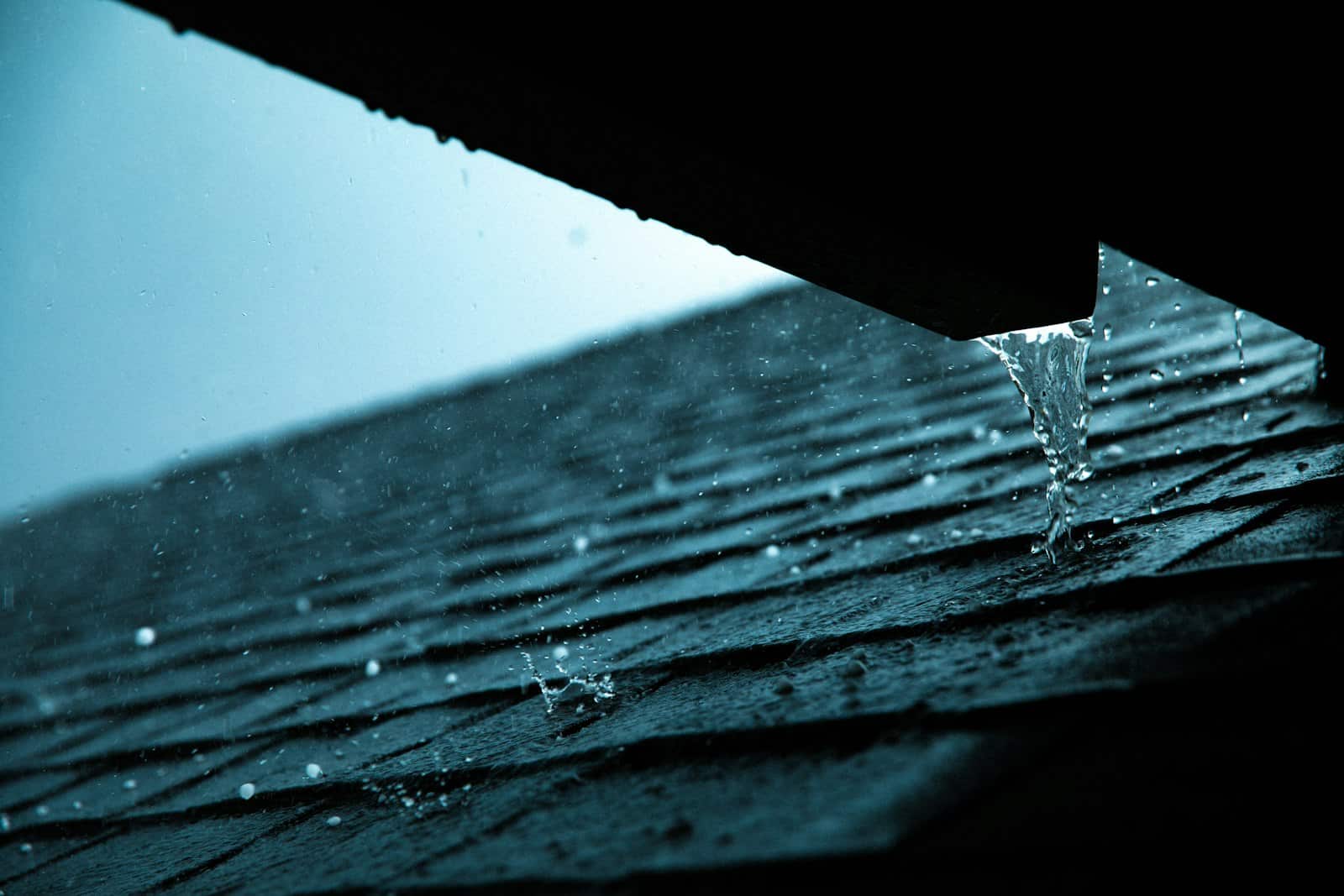
Gutters are easy to ignore until something goes wrong. In Minnesota, the stakes are higher than most places: gutters clogged with fall leaves can freeze solid, pull away from the house under the weight of ice, and feed the ice dams that damage roofs. A little maintenance in October and November can prevent a lot of trouble in January.
Why Fall Gutter Maintenance Matters in Minnesota
Gutters are designed to move meltwater and rain away from your roof edge, siding, and foundation. When they’re packed with leaves and debris, that water has nowhere to go. It backs up against the roofline, seeps into fascia and soffits, and freezes in place once temperatures drop. The added weight of a frozen, water-filled gutter can also bend or pull it right off the house.
Your Fall Gutter Checklist
- Wait for most of the leaves to drop. Cleaning too early means doing it twice. Late October to mid-November is usually the right window in the north metro.
- Clear out all debris. Remove leaves, twigs, and shingle granules by hand or with a gutter scoop, then flush with a hose.
- Check that downspouts are flowing. Run water through them and confirm they aren’t clogged at the elbows or the bottom.
- Extend downspouts away from the foundation. Water should discharge several feet from the house so it doesn’t pool against the foundation as it freezes and thaws.
- Look for sagging or loose sections. Gutters that pull away from the fascia or hold standing water are already struggling, and winter ice will make it worse.
- Inspect seams and end caps. Small leaks at joints become bigger ones when water freezes inside them.
- Check the fascia and soffit. Peeling paint, stains, or soft spots suggest water has been getting behind the gutters.
Signs It’s Time to Replace Instead of Repair
- Gutters that are cracked, rusted through, or visibly warped
- Repeated leaks at multiple seams
- Sections pulling away from the house even after re-securing them
- Water stains or rot on the fascia boards behind them
- Hail or storm dents that have compromised the shape
If gutters were damaged by hail or wind this year, that damage may be part of a larger storm claim along with your roof and siding, so it’s worth having everything inspected together.
Should You Do It Yourself?
Cleaning ground-level or single-story gutters is a manageable DIY job if you’re comfortable on a ladder. For two-story homes, steep roofs, or gutters that need repair, hiring a professional is safer and usually more thorough. Falls from ladders are one of the most common home maintenance injuries, and it’s not worth the risk.
If you’d like a professional to look at your gutters and roof edge before winter, reach out to our team in Blaine for a free inspection.
]]>