
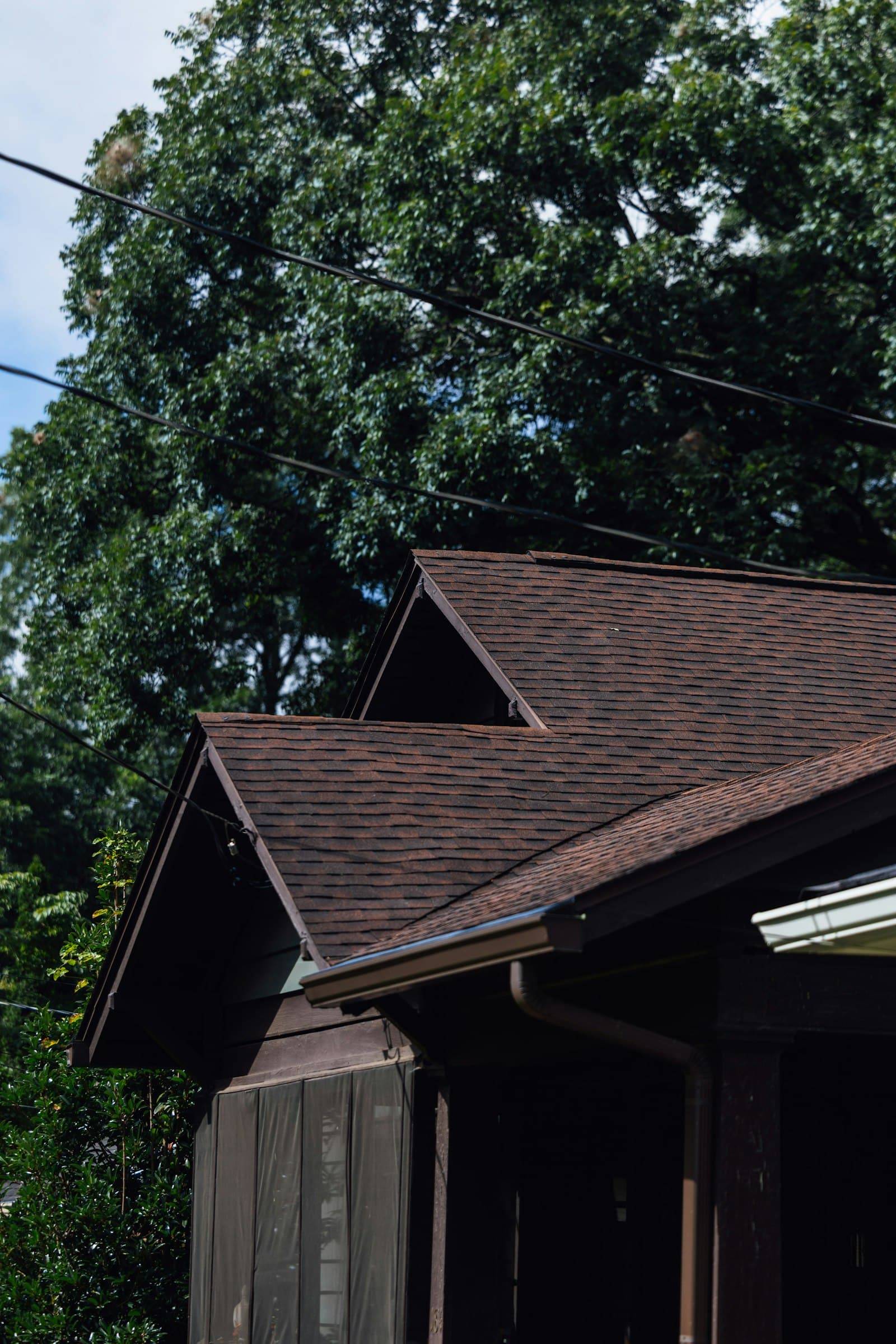
Minnesota winters are hard on roofs. Between heavy snow loads, freeze-thaw cycles, and ice dams, a roof that goes into winter with even minor issues can end up with major damage by spring. Fall — before the first hard freeze — is the best time to catch problems while they’re still small and inexpensive to fix.
Here’s what a thorough fall roof inspection should cover.
1. Shingles: Look for Cracking, Curling, and Missing Pieces
Summer heat and UV exposure can leave asphalt shingles brittle by fall. Cracked, curling, or missing shingles are entry points for water once snow starts melting and refreezing on the roof. Any shingle granules collecting in your gutters are also a sign of wear worth addressing before winter.
2. Flashing Around Chimneys, Vents, and Skylights
Flashing is one of the most common sources of winter leaks. Check that metal flashing around chimneys, roof vents, and skylights is still sealed tight and hasn’t pulled away from the surrounding shingles or siding.
3. Attic Ventilation and Insulation
Poor attic ventilation is one of the leading causes of ice dams in Minnesota. If warm air escapes into the attic and heats the roof deck unevenly, snow melts and refreezes at the eaves, creating a dam that backs water up under your shingles. Checking insulation levels and making sure soffit and ridge vents are clear is one of the most valuable things you can do before winter.
4. Gutters and Downspouts
Clogged gutters hold water against your roofline and contribute directly to ice dam formation. Clear out leaves and debris, and confirm downspouts are directing water well away from your foundation.
5. Signs of Existing Storm Damage
If your area has had hail or high winds this year, it’s worth having a professional check for damage that isn’t visible from the ground — bruised shingles, dented vents, or cracked seals often don’t show obvious symptoms until a leak develops mid-winter.
When to Call a Professional
A visual check from the ground can catch obvious problems, but a full inspection — especially checking attic ventilation and flashing seals — is worth having a professional handle before the snow flies. Catching a small issue in October is a lot less expensive than repairing water damage in February.
If you’re in the Blaine area and want a professional fall roof inspection before winter hits, reach out to our roofing team for a free inspection.
]]>